Chemistry Major

At the forefront of curiosity-inspired research, innovation and education

Chemistry Major

At the forefront of curiosity-inspired research, innovation and education

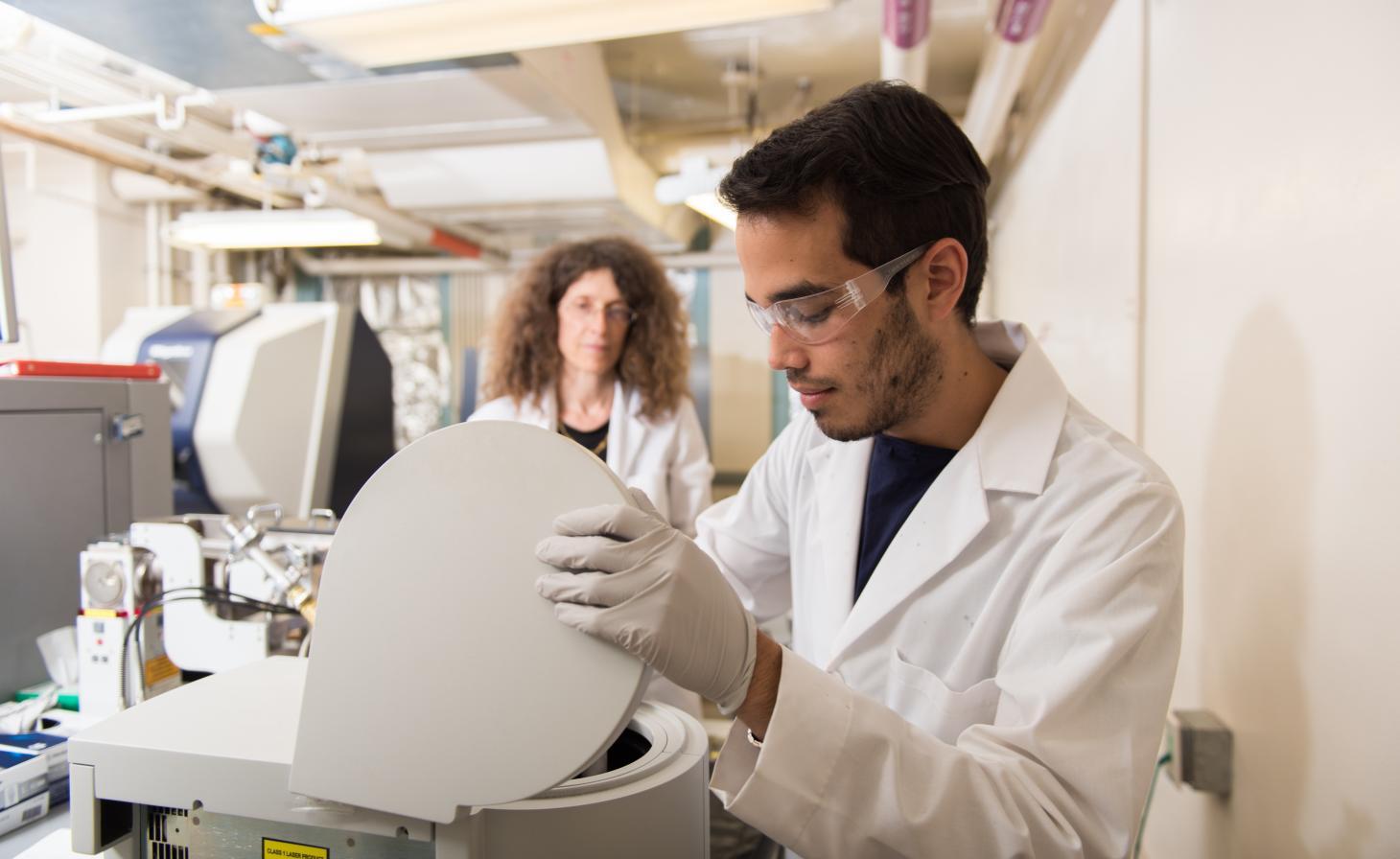
A graduate student and May Nyman working together in the lab.

Undergraduate laboratory research experiences help chemistry majors develop technical and professional skills.

The Department of Chemistry offers both B.S. and B.A. degrees in chemistry. As a chemistry major, you’ll develop in-depth knowledge and analytical skills through foundational and advanced courses in organic, analytical, physical and inorganic chemistry in addition to extensive laboratory and undergraduate research experience. You can design your studies to fit your academic interests by choosing among 10 options to broaden your knowledge and skills, enhance career preparation and amplify opportunities for employment in areas such as electronics, biotechnology, high school teaching, environmental science as well as graduate study and professional programs in chemistry, medicine and healthcare. As a chemistry major, you are required to add one option, which includes 9-10 courses in applied areas. You will take a common core of about 25 courses in chemistry, chemistry laboratory, physics and mathematics in addition to a chosen option in the B.S. degree program. Track 1 chemistry options (Advanced Chemistry and Advanced Biochemistry) are approved through the American Chemical Society and lead to ACS certified degrees in Chemistry.

Get career ready

Chemistry students gain an extensive and well-rounded education through in-depth coursework, undergraduate laboratory research experiences to develop technical and professional skills, and outstanding advising and mentorship. Many graduates of the chemistry department have been accepted to top-tier graduate programs in chemistry and applied areas at, for example, UC Berkeley, University of Southern California, UCLA, University of Washington, University of Wisconsin- Madison, University of Texas-Austin, University of Michigan, and the University of Colorado.

Our broad range of options will help you tailor your education to meet your career objectives and interests. For example, students graduating with a B.S. in chemistry with an option in Forensic Science have graduated with M.S. degrees from programs at University of California Davis, UCLA, Pace University, the George Washington University and are now employed in forensic science labs around the nation.

B.S. Degree

Tracks

The B.S. degree Track One is suitable for students intending to pursue a graduate degree in chemistry or a closely related area. It provides the most rigorous and complete chemistry, physics, and mathematics background and the most extensive laboratory experience.

Track One chemistry options (Advanced Chemistry and Advanced Biochemistry) are approved through the American Chemical Society and lead to ACS certified degrees in Chemistry. ACS approved programs ensure “a broad-based and rigorous chemistry education that gives students intellectual, experimental, and communication skills to become effective scientific professionals.”

Track Two for the B.S. degree consists of a core of chemistry courses plus a combination of 8 to 11 courses (30 to 36 credits) that defines the option. This track does not lead to a degree certified by the ACS.

Options

These options are structured to provide a chemistry major with a second area of expertise. This multi-disciplinary approach is designed to enhance preparation and opportunities for employment in areas such as electronics, polymers, or biotechnology (materials science, chemical engineering, or biochemistry option), for careers in environmental science (environmental chemistry option), for graduate study in applied areas or professional schools (pre-medicine or business option), or for teaching in high schools (chemistry education option). The coursework for track two students provides a strong foundation for continuing education in graduate school in chemistry or related areas.

Track 1 chemistry options

The option with the strongest pure chemistry background, for students looking for career opportunities in a broad range of chemical industries or who have already chosen to continue on to chemistry graduate school for Ph.D.

Learn more about the Advanced Chemistry option

The option for students with bio-oriented interests who are looking for career opportunities in places like the pharmaceutical or biotech industries. It is also excellent preparation for graduate school.

Learn more about the Advanced Biochemistry option

Track 2 chemistry options

The biochemistry option is designed for those interested in working in biotechnology areas, emphasizing elective courses in biology, biochemistry including lab and genetics. A strong option for students interested in pharmacy programs.

Learn more about the Biochemistry option

This option is designed for chemists interested in working in science management, science marketing and sales, or starting a small business. The business option reduces time to obtain a MBA degree at OSU. It is a good stepping stone for law school (patent law is a very lucrative career).

Learn more about the Business option

Chemistry teachers at the high school level are in strong demand! This option is designed to interface with the B.S. Education Double Degree and the M.S. in Science or Mathematics Education Teaching programs at OSU.

Learn more about the Chemistry Education option

This option is designed for chemists seeking some background in engineering, but who don’t want to be engineers. Designed to offer selected chemical engineering concepts that may enhance career opportunities in areas such as electronics, polymers, and biotechnology.

Learn more about the Chemical Engineering option

The option is directed at students planning to apply to medical or dental school who also choose to have chemistry as a second career pathway.

Learn more about the Environmental Chemistry option

A combination of courses designed to provide a chemistry major with a background in biology, biochemistry, and related areas and an emphasis in analytical chemistry that is appropriate for work in a crime lab or to pursue a graduate degree in forensic science.

Learn more about the Forensic Science option

This option is customized to include applied courses in a variety of materials areas to enhance career opportunities in areas including electronics, polymers, batteries and biotechnology.

Learn more about the Materials Science option

The Environmental Chemistry Option is structured to provide a quality foundation for working in government, industrial or university labs studying the behavior of chemicals in the environment.

Learn more about the Pre-Medicine option

Declare a Chemistry Major

To discuss adding or changing to a chemistry major, please contact Margie Haak, Chemistry Lead Advisor ([email protected]).

Students must be in good academic standing at OSU. All chemistry majors are required to complete courses in the chemistry core and one chemistry option.

Chemistry options are focus areas that can help students take courses that lead to careers in chemistry. We will talk more about this when we meet for advising but it is helpful if you look over the chemistry options before we meet.

B.A. Degree

The B.A. degree in chemistry includes a second language requirement and additional liberal arts courses (9 credits). It also includes 6–12 credits of approved career-supportive electives to allow students to choose courses in advanced chemistry or related disciplines to support their career goals.

The B.A. degree is helpful for chemistry students interested in a broad education that might include a foreign language and lead to international opportunities, especially if coupled with the International Degree Program at OSU.

Learning outcomes

  1. Core Knowledge: Students will be able to recall, integrate, and apply essential core information about the key components of Chemistry.
  2. Laboratory Skills: Students will demonstrate competency in basic laboratory techniques, laboratory safety, chemical synthesis, and measurement of chemical properties and phenomena.
  3. Communication Skills: Students will communicate ideas effectively orally and in writing.
  4. Synthesis and Analysis Skills: Students will demonstrate the ability to analyze data, access information and integrate information from various sources in order to solve problems.

Careers of our graduates

  • Lead Brewer and General Manager at Ancestry Brewing
  • Scientists at Duke Environmental Analytical Chemistry Laboratory; Los Alamos National Laboratory; Schrodinger
  • Doctor of Emergency Medicine at Adventist Health
  • Graduate students at UC-Berkeley; ETH Zurich; University of Southern California; Scripps Institute of Oceanography
  • Product Development Engineer at Chevron
  • Internal Medicine Resident at Vanderbilt University
  • Pulmonary Critical Care Medicine Specialist at The Oregon Clinic
  • Aircraft Maintenance Officer in the US Air Force
  • Cellar master at NW Wine Co.
  • Forensic Scientist for the Oregon State Police
  • Principal Python Machine Learning Engineer at Capital One Banking
  • Senior Chemistry Manager at Nike

Sample courses

  • Bioanalytical chemistry
  • Physical chemistry of materials
  • Radiochemistry
  • Environmental Transformation of Organic Compounds
Nathan Coddington standing in front of shrubbery on campus.

"Everyone in my bioorganic chemistry lab helped me learn how to be a better scientist, how to be a more well-rounded person, and how to communicate and write.”

Nathan Coddington (Chemistry '18), studying dental surgery at the UCLA School of Dentistry

Meet our students and alumni

Mitchell Kenny, Class of ‘25: Pursuing chemistry around the world

With a meaningful summer abroad and years of undergraduate research under his belt, chemistry senior Mitchell Kenny is heading into his Ph.D. with a strong foundation from Oregon State.

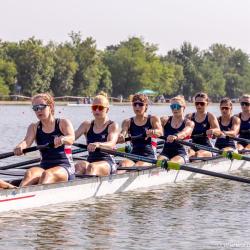
A budding chemist and reigning gold medalist: Oregon state rower finishes strong

Oregon State chemistry senior Evan Park has a gold medal.

International chemistry senior finds her footing at Oregon State

Heading to college can feel like moving to a whole new world. For chemistry senior Marua Bekbossyn, this rang even more true. Her move from Almaty, Kazakhstan to the U.S. had its challenges, but the resources and genuine connections she discovered at Oregon State made all the difference.

Brussels sprouts and Parkinson's push chemistry senior toward Ph.D. at Oregon State

Graduating high school at 16 is no easy feat. For Jessica Etter, it also meant the additional challenge of starting college at 17. Etter started her journey as an Oregon State University chemistry student with the goal of becoming a forensic scientist, however, she has since found a passion for research and will be starting a Ph.D. at Oregon State this fall.

Chemistry senior aims to make research ‘rich and accessible’

Honors college senior Alice Lulich graduates with three years of inorganic chemistry research experience on metal organic frameworks (MOFs), versatile compounds with diverse environmental and medical applications.

Next steps